
Inaugural Glass Strengthening Design Competition
ACerS Spring Meeting 2026 | Bellevue, Washington
The Glass Strengthening Design Competition is a hands-on technical challenge that combines creativity, materials engineering, and real-world strengthening strategies. Participants apply real-world strengthening strategies to identical glass samples and compete to see whose final entry performs best during on-site impact testing at the Spring Meeting.
Who Can Participate
-
Open to students, researchers, and professionals from academia and research institutes attending the Spring Meeting
-
Compete individually or in teams of up to four
-
Multiple teams/individuals may participate from the same institution
Quick Links
Quick Links
The Challenge & Allowed Approaches
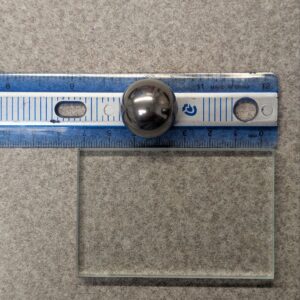
Each registered participant or team will receive 6 identical glass sheets before the Spring Meeting.
-
5 sheets may be used for experimentation and optimization
-
1 final treated sheet will be submitted for official testing at the conference
This gives teams flexibility to try different ideas, refine their approach, and choose their best sample for competition day.
Note on sample variability
While organizers will provide high-quality samples, pre-existing flaws may occur due to supplier or handling. Multiple sheets are provided so teams can inspect and select the best specimen for the final entry.
Strengthening Approaches
Participants may apply chemical, thermal, or mechanical strengthening approaches, provided all methods comply with institutional safety standards and the requirements. Permitted approaches may include, but are not limited to:
-
Ion Exchange (conducted only under qualified faculty supervision in appropriate laboratory facilities and in accordance with institutional safety policies)
-
Heat treatment / annealing / thermal tempering
-
CVD/PVD coatings; thin-film deposition
-
Ceramic, glass, or polymer coatings (safe materials only)
-
Dipping, spraying, sol-gel, or similar compliant methods
Important requirements
-
Coatings must be ≤ 0.15 mm thick
-
Final samples must remain transparent
-
All materials and methods must be safe for transport and on-site testing
Full technical and safety requirements are provided in the rules document.
Testing, Judging, Submissions & Awards
How Testing Works
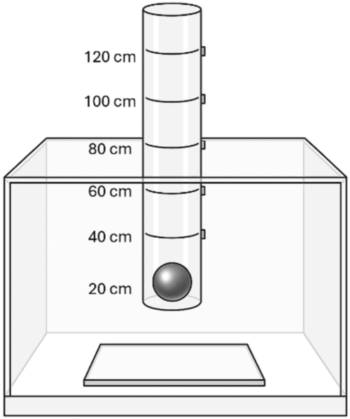
Final samples will be tested on-site using a standardized ball-drop impact test.
-
A steel ball is dropped from increasing heights onto the glass
-
Testing continues until a crack or fracture occurs
-
The highest drop height survived without failure determines the ranking
Ties may be resolved through additional testing or judge review.
Entry Requirements
Before the Event (Registration)
- Step 1: Complete the initial registration form below. See the rules document for full details
- Step 2: Email foundation@ceramics.org with a short technical summary (approximately 500 words) describing your planned approach
- Step 3: Competition materials (six glass sheets and one steel ball) will be shipped to your address
At On-Site Check-In
Bring:
- A final research summary outlining:
- The method used
- Any changes from your original plan
- Observations and results
- Expected strengthening mechanism
- Participants bring only their final treated sample; no additional tools or chemicals are allowed on-site
Awards & Recognition
Top-performing entries will be recognized at the Spring Meeting and receive certificates along with the following cash prizes:
-
1st Place: $500
-
2nd Place: $300
-
3rd Place: $200
Important Dates
-
Registration deadline: February 25, 2026
Teams that sign up and submit earlier will receive their glass sheets sooner.
-
Glass sheets will be shipped to participants during the week of March 2, 2026
-
On-site testing: During the ACerS Spring Meeting
(Sunday, April 12, 2026 — 3:45-5:00 p.m. PDT)